What is devotional drawing, and why are more Christians using it to deepen their understanding of Scripture? Many people want their Bible reading to feel more meaningful but struggle to slow down enough to truly reflect. Devotional drawing offers a gentle, creative way to engage with God’s Word by combining reading, prayer, and visual reflection.
Rather than rushing through passages, this practice helps you pause, notice details, and meditate on Scripture in a personal and memorable way.
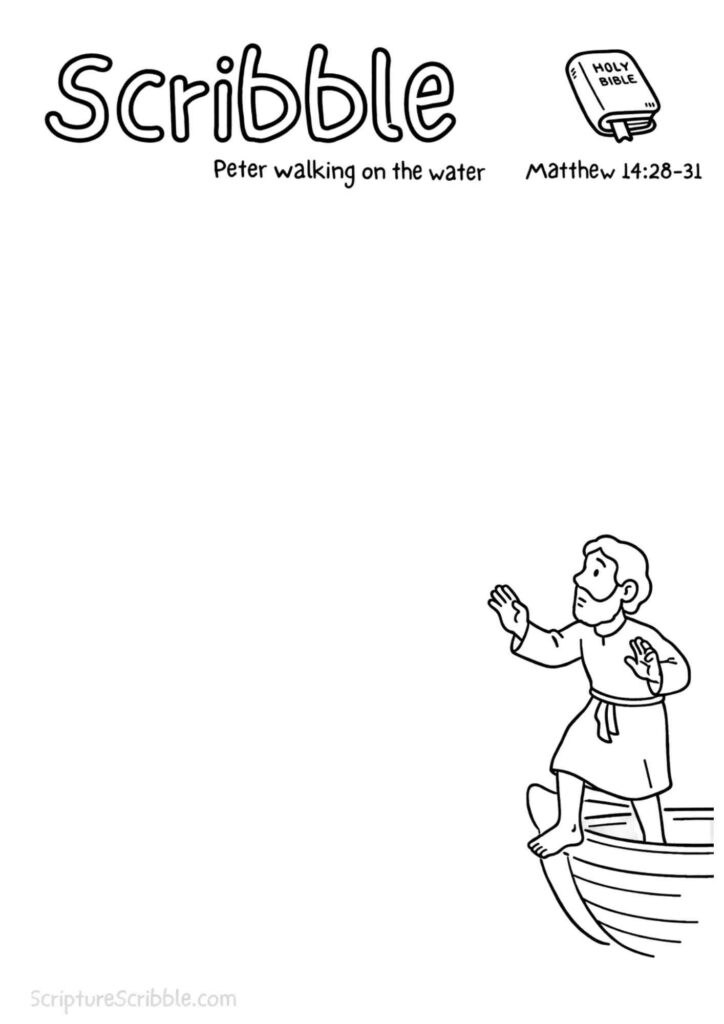
Devotional drawing encourages slower, deeper engagement with Scripture.
Understanding Devotional Drawing
Devotional drawing is a reflective Bible study method where you draw elements of a Scripture passage while praying and thinking about its meaning.
The goal is not artistic perfection. Instead, drawing becomes a tool for meditation — helping Scripture move from the page into your thoughts and heart.
As you sketch a scene, you naturally begin asking questions:
- What emotions are present?
- What is God revealing here?
- How does this story connect to my life?
This slower pace often leads to deeper insight than reading alone.
Why Drawing Helps You Reflect on Scripture
The Bible repeatedly encourages meditation on God’s Word. Psalm 1:2 describes the blessed person as one who meditates on Scripture day and night. Creative reflection is simply another way of practicing that ancient habit.
Educational research also shows that drawing improves understanding and memory because it activates multiple parts of the brain at once. Harvard Graduate School of Education discusses how visual learning strengthens comprehension and recall:
https://www.gse.harvard.edu/
When drawing is combined with prayer, it becomes both a learning activity and a spiritual practice.
A Practice for All Ages
One of the strengths of devotional drawing is its accessibility. You don’t need artistic skill or special materials.
This approach works well for:
- Children learning Bible stories visually
- Teens exploring faith creatively
- Adults seeking quieter devotional rhythms
- Families studying Scripture together
Everyone reflects differently while engaging with the same passage.
How Devotional Drawing Works
1. Read the Passage Slowly
Begin by reading a short section of Scripture more than once.
You might start with Joseph’s dream and the angel’s message:
Notice details you may normally overlook.
2. Observe Before Drawing
Ask simple questions:
- Where does this story take place?
- Who is present?
- What emotions might they feel?
Observation prepares your heart for reflection.
3. Draw While You Reflect
Keep your drawing simple. Lines and shapes are enough.
For example, reflecting on Elijah hearing God’s whisper invites quiet attention rather than dramatic action.
Pause frequently and pray as you draw.
4. Turn Drawing Into Prayer
Let your drawing time become conversation with God. Silence can be part of worship.
Many people discover that creative reflection reduces distraction during devotional time.
5. Write a Short Reflection
After finishing, write:
- one insight,
- one prayer,
- or one question.
This anchors what you’ve learned spiritually.
Examples of Scripture Scenes for Reflective Drawing
Different passages invite different kinds of reflection.
Trust in Difficult Moments
Jesus calming fear during the storm encourages reflection on faith during uncertainty.
Creation and Purpose
Creation passages help us meditate on identity and God’s design.
- https://scripturescribble.com/product/creation-of-the-world-devotional-drawing/
- https://scripturescribble.com/product/garden-of-eden-devotional-drawing-page/
Compassion and Healing
Jesus’ healing miracles invite reflection on restoration and grace.
Devotional Drawing Compared to Bible Journaling
While both practices are creative, they serve slightly different purposes.
| Devotional Drawing | Bible Journaling |
|---|---|
| Focuses on reflection through drawing | Often combines notes and decoration |
| Separate printable pages | Usually inside a Bible |
| Beginner-friendly | Can feel art-focused |
| Slower meditation style | Creative note-taking |
Many people appreciate devotional drawing because it removes pressure and keeps attention on Scripture itself.
Benefits of This Reflective Practice
Regular creative reflection can help you:
- Slow down your devotional time
- Remember Scripture more clearly
- Engage emotionally with Bible stories
- Stay focused during prayer
- Build a consistent spiritual habit
Over time, your drawings become a visual record of your faith journey.
How to Begin Today
You only need:
- A short Scripture passage
- A pencil or pen
- A few quiet minutes
Start small. Even ten minutes of reflective drawing can transform how you experience Scripture.
You can explore guided pages designed specifically for this practice here:
👉 https://scripturescribble.com/printables/
Each printable is created to help readers of all ages engage more deeply with God’s Word through drawing and reflection.
Frequently Asked Questions
Do I need artistic ability?
No. Reflection matters far more than artistic skill.
How long should a session take?
Most people spend 10–20 minutes per passage.
Can families use this together?
Yes. Each person reflects at their own level while sharing the same Scripture.
A Gentle Way to Slow Down
Scripture was never meant to be rushed. When you slow down enough to draw what you read, you begin noticing details, emotions, and truths that might otherwise pass by unnoticed.
Sometimes spiritual understanding grows not through more information — but through quiet attention.
Leave a Reply