
A growing number of believers are turning to creative reflection — including devotional drawing — to slow down and engage more meaningfully with the Bible.
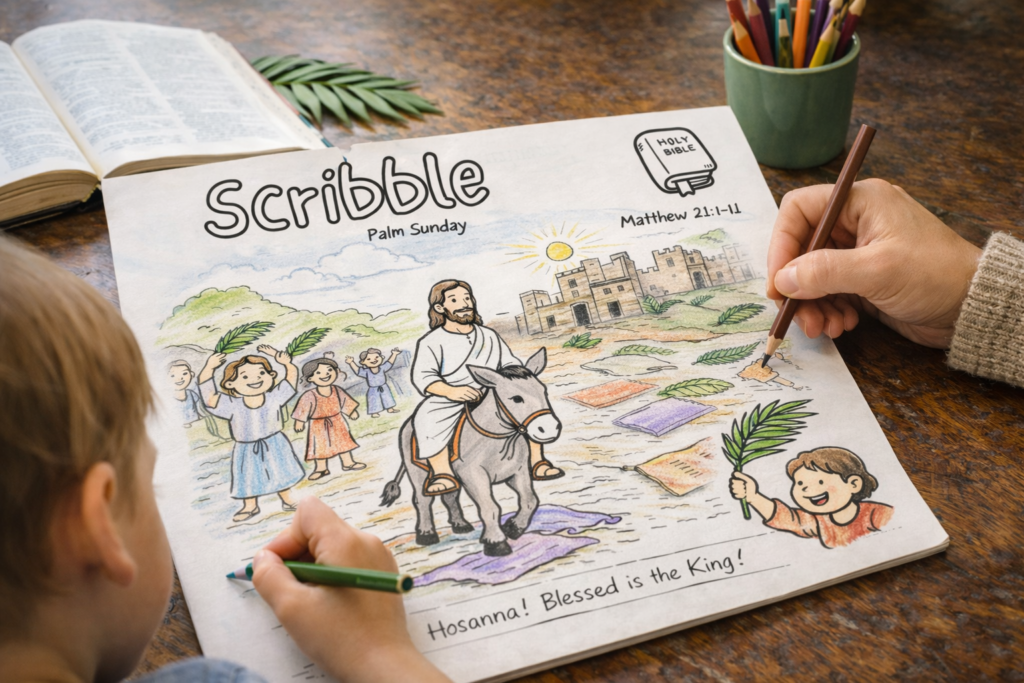
In an age defined by constant notifications, short attention spans, and packed schedules, many Christians say their devotional life has become rushed or routine. Bible reading plans are started with enthusiasm but often fade into obligation, leaving readers wondering how to reconnect with Scripture in a more personal way.
Now, a quiet shift is emerging across churches, homeschooling communities, and personal faith practices: believers are rediscovering creative devotional methods that encourage reflection rather than speed — and many are finding that drawing may be one of the most effective tools.
Moving Beyond “Read and Move On”
Traditional devotional habits often focus on reading a passage, saying a quick prayer, and moving on with the day. While consistent reading remains foundational, pastors and educators increasingly note that comprehension and reflection require something more intentional.
“People aren’t struggling because they don’t love Scripture,” says one ministry leader involved in creative Bible study programs. “They’re struggling because modern life trains us to consume information quickly rather than meditate on it.”
Creative devotional practices aim to reverse that pattern by slowing the reader down.
Instead of asking, ‘How much did I read today?’ the focus becomes, ‘What did I notice?’
The Rise of Devotional Drawing
Among these emerging practices, devotional drawing has gained attention for its accessibility. Unlike traditional art study, devotional drawing does not require artistic skill. Participants simply sketch scenes, symbols, or themes from a Bible passage while reflecting on its meaning.
The process engages multiple parts of the brain at once — reading, visualizing, and creating — which researchers have long associated with stronger memory retention and deeper emotional processing.
Participants often report that passages they had read many times suddenly feel new.
“When you draw a moment from Scripture,” one participant explained, “you have to imagine being there. You notice details you never saw before.”
A Practice for All Ages
One reason devotional drawing is spreading quickly is its adaptability. Families use it during home Bible study, teachers incorporate it into classroom settings, and individuals use it as a quiet personal discipline.
Children benefit because drawing naturally holds attention longer than passive listening. Adults appreciate that the method removes pressure to produce perfect reflections or lengthy journal entries.
The result is a shared devotional experience that feels approachable rather than intimidating.
Resources like printable devotional drawing pages — organized by Bible book — have made it easier for beginners to start without preparation. These guided pages provide a visual framework while still leaving room for personal reflection.
Explore devotional drawing printables by Bible book:
👉 https://scripturescribble.com/printables/
Why Slowing Down Matters Spiritually
Historically, Christian spiritual practices emphasized meditation — not in the modern sense of emptying the mind, but in dwelling deeply on Scripture.
Early believers practiced lectio divina, a rhythm of reading, reflecting, responding, and resting in God’s Word. Many faith leaders see creative devotional practices as a modern expression of that ancient approach.
Drawing naturally encourages pauses. A reader cannot rush through a passage while sketching its imagery. Each line becomes an opportunity to consider meaning, emotion, and context.
In a culture built around speed, that slowing may be precisely what many devotional lives are missing.
From Information to Transformation
Experts in spiritual formation often distinguish between knowing Scripture and being shaped by it. Creative reflection methods appear to bridge that gap by transforming reading into participation.
Rather than observing biblical stories from a distance, participants engage imaginatively with the narrative — picturing the storm when Jesus calmed the sea, the quiet moment when Elijah heard God’s whisper, or the hope carried through the Exodus journey.
The goal is not artistic achievement but attentiveness.
And for many believers, that attentiveness leads to a richer devotional experience.
A Growing Movement Toward Intentional Faith Practices
As churches and individuals continue searching for sustainable spiritual rhythms, practices that combine creativity with Scripture appear likely to grow.
Devotional drawing, journaling, and visual reflection all share a common theme: helping people encounter familiar passages with fresh eyes.
For readers looking to begin, starting small is often recommended — one passage, one image, one reflection at a time.
Browse printable devotional drawing resources organized by Testament and Bible book:
👉 https://scripturescribble.com/printables/
A Simpler Way to Spend Time in Scripture
The renewed interest in creative devotional practices may signal something deeper than a trend. It reflects a desire shared across generations: not simply to read Scripture more, but to experience it more fully.
And sometimes, slowing down long enough to draw a single moment from a passage is enough to turn routine reading into meaningful encounter.
Leave a Reply